
There’s a common thread running through this week’s stories, even if it wasn’t obvious at first.
The rules we’ve grown used to aren’t necessarily the rules we’ll be investing under tomorrow.
We started the week with property. Sam looked at plans that could make it easier for councils to take control of empty homes – and what owners can do to protect themselves.
Then we jumped from bricks and mortar to AI.
By Wednesday, the question was what happens when AI agents start working around the clock. By Thursday, we took that idea one step further: if the machines never sleep, why should the financial system they use?
That brought us to crypto, micropayments and a potentially enormous new class of customers that aren’t human at all.
And today, we’ve come back to one of the oldest forces in finance: the bond market.
Rising gilt yields are putting government borrowing back under the microscope and raising uncomfortable questions about austerity, debt and how much control politicians really have over the economy.
Five very different stories. But one useful lesson for investors: when the rules change, the opportunities – and the risks – can change with them.
Here’s what you may have missed this week.
Monday, 28 September 2026:
Six ways to stop government from seizing your home – by Sam Volkering
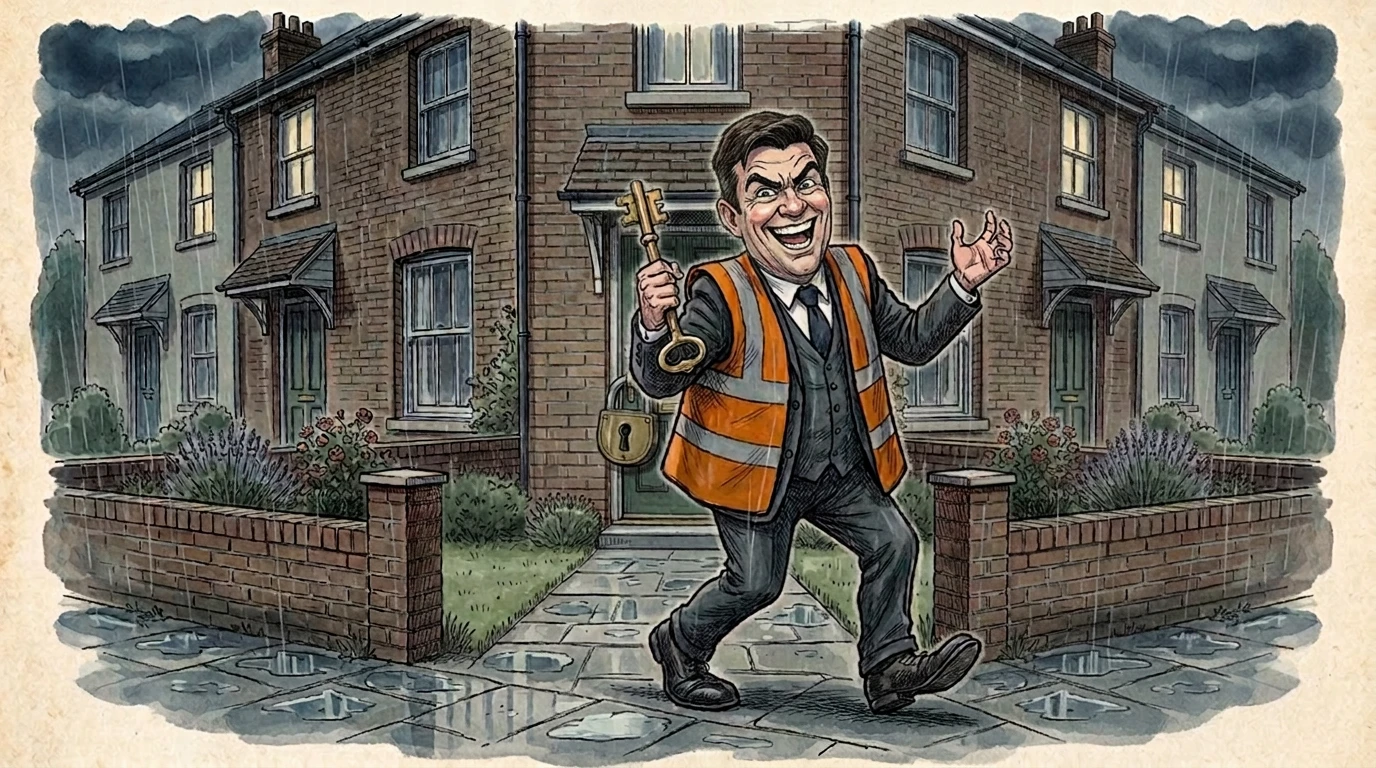
Labour is moving to make it easier for councils to take control of empty homes. Sam looks at six steps second-home owners can take to protect themselves – and why the squeeze on small landlords could create an opportunity in Grainger.
Click here to read the full essay
Britain once introduced rent controls that were supposed to be temporary. How long did some regulated tenancies survive?
|
Tuesday, 29 September 2026
How do you protect a property when the rules of ownership start to change? – by Sam Volkering

New empty-home rules could put more properties within councils’ reach. Sam looks at six ways owners can protect themselves – and why the landlord exodus could create an opportunity for investors.
Click here to read the full essay
At its post-war peak, roughly how many British properties were still under government requisition?
|
Wednesday, 30 September 2026
Avoid the Anthropic IPO at all costs! – Sam Volkering

The next wave of AI won’t just answer questions – it will work around the clock. James looks at why the rise of AI agents could send demand for compute soaring, and where investors might find the companies selling the infrastructure behind
Click here to read the full essay
An AI agent can use how much more energy than a simple AI query?
|
Thursday, 1 October 2026
If robots don’t sleep, why should markets close? – by Sam Volkering
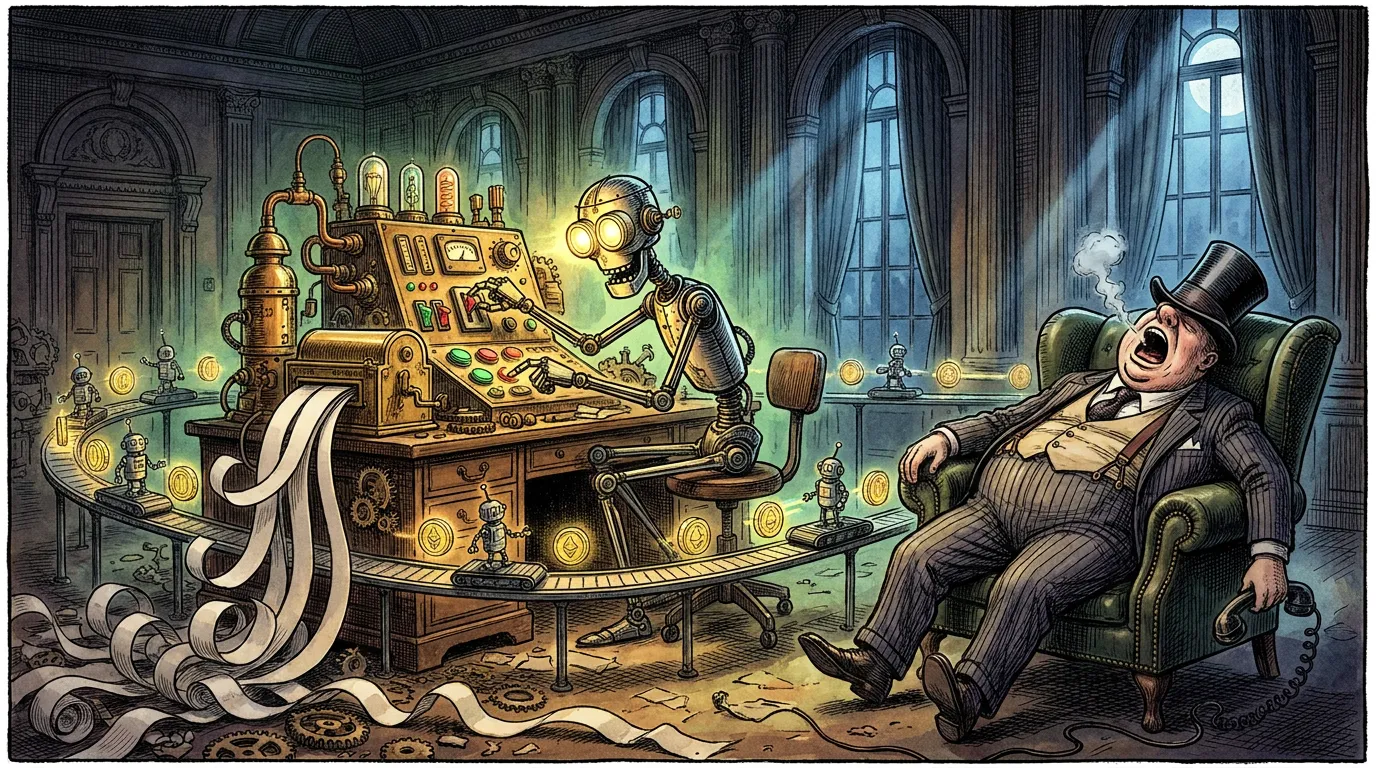
AI agents are starting to buy, sell and transact around the clock. Sam explains why crypto could become the financial rails they need – and why AI tokens could lead the next crypto bull market.
Click here to read the full essay
If AI agents start transacting with each other at scale, which feature of money could become more valuable?
|
Friday, 02 October 2026
Is Austerity coming back for the UK? – by Sam Volkering

Bond yields are rising, and warnings of austerity, bankruptcy, and even an IMF bailout are getting louder. Nick Hubble and Sam Volkering explain how the bond market actually works, what higher yields mean for the UK economy, and whether investors really need to worry.
Click here to read the full essay
When gilt yields suddenly jump, which part of Britain’s debt gets more expensive first?
|
PS
|
|